
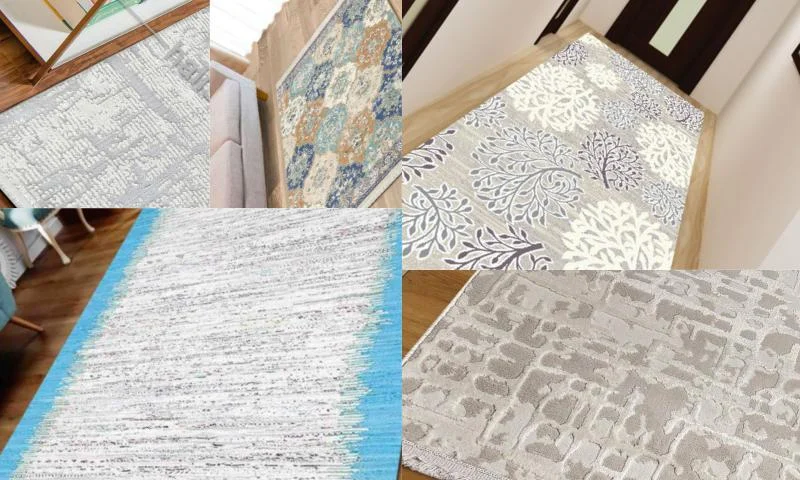
What Are the Features and Models of Mosque Carpets?
The use of carpets in mosques has been a religious and cultural element that has continued since ancient times. The objects within mosques, considered sacred as places of worship, must be designed in a way that ensures the comfort and peace of mind of those who come to worship. Mosque carpet, with its patterns, structure, and weaving, is among the carriers of Turkish-Islamic culture. Mosque carpets cover the mosque floor from wall to wall, leaving no empty spaces. You can examine the page for detailed information. The carpet, one of the main decorations of the mosque, must be of certain standards and specifications.
- First, the mosque carpet must have a durable but not hard structure. Otherwise, it can cause discomfort by hurting the knees of the person worshiping.
- The patterns woven on the carpet must be simple enough not to be distracting. Patterns such as animal figures, stars, crosses, or octagons should be avoided.
- During worship, there should be no imprints or flattening in areas of the carpet where pressure is applied, such as feet, forehead, knees, or elbows.
What Are the Materials and Model Varieties of Mosque Carpets?
Confetti Group values customer satisfaction with its mosque carpet options, produced from quality materials with different designs and models, thus considering comfort along with quality. You can use the contact information on the Confetti website to get detailed information about mosque carpet models and prices. Mosque Carpet Materials are divided into two: wool and acrylic. Generally, carpets made of natural wool are preferred in mosques. In addition to being resistant to wear, they ensure that worshipers are comfortable according to summer and winter months. Acrylic mosque carpets are more affordable than wool carpets. Acrylic, which provides ease of cleaning, is the closest material to wool.
Mosque Carpet Models:
- Carpet with central medallion design
- Carpet with row dividers