

Storage of Renewable Energy Sources
It is possible to store renewable energy sources. Actors integrated into the sources where energy is produced help ensure uninterrupted use by storing the obtained energy. Energy storage systems used in the rapidly developing renewable energy sector help maintain the reliability and robustness of the electricity system obtained. Storage devices, which increase the efficiency of renewable energy systems, are among the most used components today along with energy systems.
Continuous and Regular Energy Flow
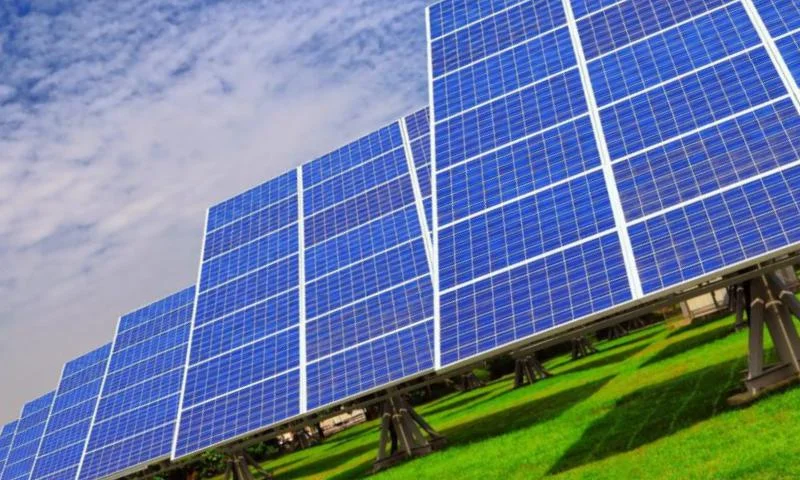
Energy storage systems are necessary for renewable energy sources such as solar energy, which do not have a continuous and regular energy flow, to be used regularly and uninterruptedly. These storage systems ensure that the stored energy is delivered to the area of use when energy is needed. These systems can be accessed through relevant online companies on web pages. Energy storage methods, discussed under 4 different headings such as mechanical systems, thermal systems, electrochemical systems, and hydrogen storage systems, have the capacity to meet different needs. Renewable energy systems, which provide great savings in both energy and cost, make energy use continuous thanks to storage systems.
Types of Energy Storage Systems

Pumped hydro storage systems ensure uninterrupted energy production by pumping water from reservoirs. Compressed air storage systems store air by compressing it with a compressor and then generate energy by heating this compressed air and passing it through a turbine. Electrochemical systems can be called batteries. Batteries are among the most used energy storage methods in renewable energy systems. Batteries, which come into play as backup power sources when energy is needed, allow for uninterrupted use of energy. Thermal systems, on the other hand, are systems used to store waste heat sources in the form of heat energy. When it comes to hydrogen storage systems, uninterrupted energy transfer is ensured by having a specific flow diagram arrangement.





