

The History and Development of Air Transportation
Air transportation, a sector that began with the Wright brothers' first flight in the early 20th century, has become one of the most influential modes of transportation in the modern world. The first commercial flights took place in 1914, and air transportation has developed rapidly ever since. In the 1930s, the commercial aviation sector began to expand with long-haul flights, and the invention of jet engines made faster and more efficient flights possible. In the post-World War II era, air transportation gained great importance in terms of both passenger and cargo transport. By eliminating geographical borders, air transportation has played a critical role in the development of international trade, tourism, and the global economy. For information on this subject and to ask your questions, you can check related online firms on web pages and examine them in detail from there.
Contribution of Air Transportation to the Economy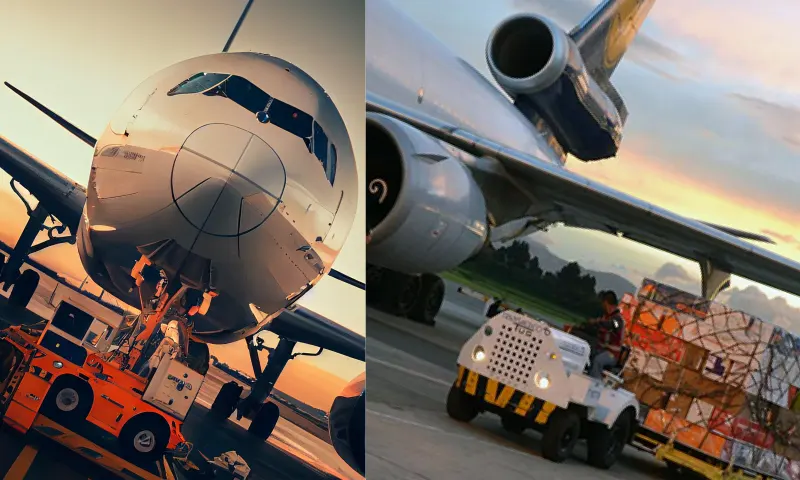
Air transportation is one of the most important components of the global economy. This sector provides employment for millions of people, both directly and indirectly, and makes a significant contribution to the economy. A large portion of international trade is carried out quickly and safely thanks to air transportation. Air cargo transport plays a critical role, especially in the transportation of high-value goods, medical supplies, and perishable foods. Furthermore, air transportation greatly contributes to the growth of the tourism sector. The ability to access different parts of the world quickly has led to an increase in tourism activities and directly contributed to the economies of many countries. Air transportation also plays an important role in the rapid delivery of aid materials to disaster areas, making the sector an indispensable part of global humanitarian aid efforts.
Safety and Environmental Impacts in Air Transportation
The growth of air transportation has brought with it various issues related to safety and environmental impacts. Safety is one of the top priorities in air transportation and is subject to strict regulations within international standards. Air safety includes many components such as the technical maintenance of aircraft, pilot training, air traffic control, and passenger security. In addition to this, the air transportation sector is criticized for its environmental impacts. Aircraft cause high levels of carbon dioxide (CO2) emissions due to fossil fuel consumption, which triggers problems of global warming and climate change. However, the sector is trying to develop innovative solutions to reduce its environmental impact; in this context, the use of biofuels, more efficient engine designs, and carbon offsetting projects are prominent strategies. Air transportation is the cornerstone of transportation and trade in the modern world. Its historical development, economic contributions, and the safety and environmental challenges it faces demonstrate how complex and important this sector is. Developing technologies and sustainability efforts indicate that air transportation will continue to play a vital role worldwide in the future.