
How Does an Architecture Office Create Spatial Layout?
How Does an Architecture Office Use Modern Design Approaches?
When creating spatial layout, an architecture office adopts a holistic approach by analyzing the function of the space, user needs, and usage intensity. Spatial layout is one of the most fundamental stages of design because a building can only be used correctly if the plan flow is balanced. Therefore, the architecture office first evaluates the physical conditions of the space. Entrance points, circulation paths, focal areas, direction of natural light, width-height ratios, and user movements are the main determinants of the layout. Segmentation is done according to the function of the area. For detailed information about the architecture office, you can visit the web address https://osomimarlik.com/hizmetler/.
How Does an Architecture Office Conduct the 3D Modeling Process?
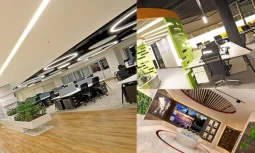
When using modern design approaches, an architecture office develops a perspective that centers on simplicity, clarity, functionality, and the harmony of contemporary materials. The essence of modern design is to create flowing and easy-to-use spaces, free from unnecessary details. Therefore, the architecture office first determines the needs of the space. Open plan layouts, clean forms, and natural materials are the starting point of the modern approach. Materials such as wood, metal, glass, and natural stone strengthen the character of modern design. The color palette mostly consists of neutral tones; gray, white, cream, and earth tones provide serenity to the space. An architecture office also uses lighting as an important tool in modern design. When conducting the 3D modeling process, an architecture office follows a detailed method that aims to simulate how the space will look in real life most accurately. Three-dimensional modeling is both a visual and technical verification stage of the design process. Therefore, the architecture office first transfers the measurements, material textures, and general plan structure of the space to the digital environment. In the three-dimensional model, volume relationships, the positions of objects, light openings, and perspective behaviors are clearly visible.