
Hagia Sophia: An Architectural Marvel in the Footsteps of History
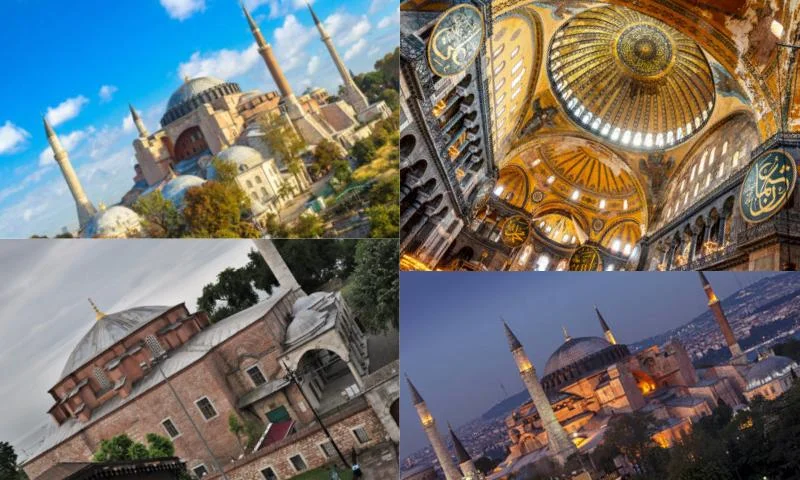
Hagia Sophia is a historical structure that has become a symbol of Istanbul. It was first built in 537 by the Byzantine Emperor Justinian I. At that time, Hagia Sophia was the structure with the largest dome in the world. This structure, unique in its architecture and details, was converted into a mosque after the conquest of Istanbul and became an important religious center during the Ottoman Empire.
The History and Changing Function of Hagia Sophia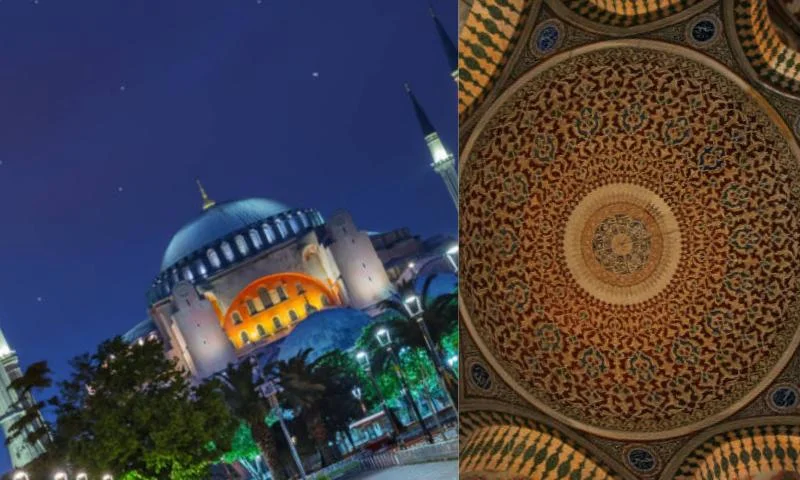
The history of Hagia Sophia is full of different transformations it has undergone. When completed in 537, it was used as the main church of the Byzantine Empire. However, in 1453, after the conquest of Istanbul by the Ottoman Empire, it was converted into a mosque. During this period, its interior was adorned with Islamic art. Later, in 1935, it began to be used as a museum by the Republic of Turkey. However, in 2020, it was reopened to be used as a mosque again. The history and function of Hagia Sophia have changed under the influence of different civilizations.
The UNESCO World Heritage and Cultural Significance of Hagia Sophia
Hagia Sophia was accepted as a UNESCO World Heritage site in 1985. For this reason, it has great cultural significance worldwide. The history and architecture of Hagia Sophia fascinate visitors. The mosaics in its interior offer visitors an impressive experience with their elegance and grandeur. It also holds great importance as a structure bearing traces of two major religions, Islam and Christianity. As a result, Hagia Sophia still stands as an architectural marvel in the footsteps of history. This structure, one of Istanbul's symbols, is a cultural treasure bearing the traces of different civilizations.