
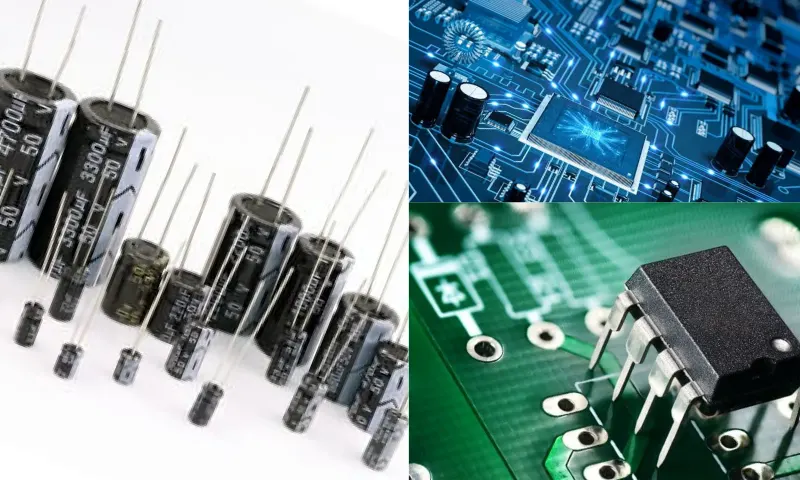
The Importance of Component Quality Control and Key Responsibilities
Steps Applied in Component Control and Verification Process
The answer to the question of how component quality control is done refers to a critical stage for the reliability of electronic manufacturing processes. You can visit https://www.sceelektronik.com/hizmetlerimiz/komponent-tedarigi/ to learn more about component suppliers. A component supplier is responsible for preparing all electronic components to be used in assembly correctly, completely, and error-free for production. Quality control is not limited to verifying the accuracy of the components; it also affects the continuity of production, cost-effectiveness, and final product performance. A resistor with the wrong value, incorrectly packaged SMD material, or an IC affected by moisture can halt the entire production line. Therefore, component quality control is both the starting point and one of the most critical control points in electronic manufacturing.
Component Process Tracking, Technological Support, and Error Prevention Methods
Looking at the practical stages of how component quality control is done, the first step is to compare the incoming components with the information in the BOM (Bill of Materials) list. The part number, value, tolerance, package type, and manufacturer information must fully match. After verification, the physical condition of the components is checked; issues such as bent leads, oxidation, incorrect printing, or package damage are examined. For SMD components, manufacturer labels, MSL (Moisture Sensitivity Level) class, and package opening dates must be recorded. Components with high moisture sensitivity are subjected to baking if necessary. The final stage of how component quality control is done involves tracking and documentation. In modern manufacturing facilities, component suppliers track inventory via ERP and barcode systems, recording the usage process of each material. This greatly reduces the risk of using the wrong component. Adherence to ESD (Electrostatic Discharge) rules during quality control is mandatory to protect sensitive components.





