

The Importance of Kindergarten Education
Kindergarten education is an important process that enables children to socialize at an early age, develop basic skills, and gain independence. The period between 0-6 years old is when children's mental and emotional development is fastest. During this period, children's learning capacities are quite high. Kindergarten education is an effective platform to support this potential and provide a suitable learning environment for children. By communicating with their peers in kindergarten, children develop social skills, increase their problem-solving abilities, and learn to express themselves emotionally. Additionally, they gain time management and a sense of responsibility through a regular daily schedule. For information on this subject and to ask your curious questions, you can look at the relevant online companies on web pages and review them in detail.
The Effects of Kindergarten on Child Development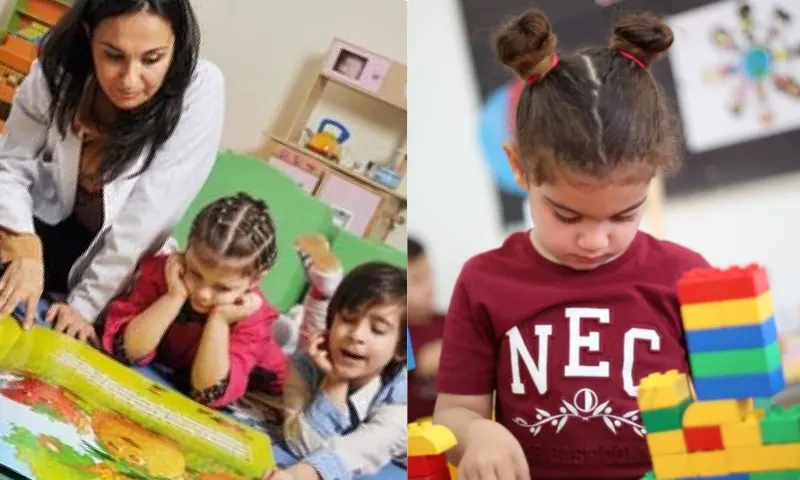
Kindergarten education contributes positively to both the cognitive and physical development of children. Education supported by play-based activities enhances children's creativity and strengthens their problem-solving skills. Group games encourage children to acquire social skills such as sharing, cooperation, and empathy. In addition, basic training provided in kindergartens helps children develop their fine motor and gross motor skills. For example, activities like coloring, cutting, and pasting support hand-eye coordination, while outdoor activities accelerate their physical development. Furthermore, involving children in the learning process through various games at an early age lays the foundation for them to be more successful in their future educational lives.
The Importance of Parent and Kindergarten Cooperation
The success of kindergarten education depends on effective cooperation between parents and the kindergarten. Parents should support the experiences their children gain in kindergarten at home and instill a sense of security in them. Kindergarten officials, on the other hand, should create educational plans considering the individual needs of the children and maintain regular communication with families. Through parent-kindergarten cooperation, children's adaptation to kindergarten is facilitated, and maximum benefit is derived from education. This cooperation helps children feel secure and adapt more easily to their learning processes. Kindergarten education plays a critical role in the social, emotional, and cognitive development of children. This early education forms the foundation for their future academic and social success. With the joint efforts of parents and educators, it is possible to create a safe, fun, and educational environment for children.