

The Importance and Responsibilities of Ship Captaincy
Ship captains are professionals who play a critical role in maritime transportation. Safely navigating the ship, ensuring crew discipline, and overseeing the secure transport of cargo are among the captain's primary duties. The captain is also responsible for maritime safety, monitoring weather and sea conditions, and making decisions in emergencies. Therefore, ship captaincy is a profession that requires both technical knowledge and leadership skills. For information on this subject and to ask your questions, you can check the relevant online companies on internet pages and conduct a detailed review from there.
Ship Captaincy Education and Career Path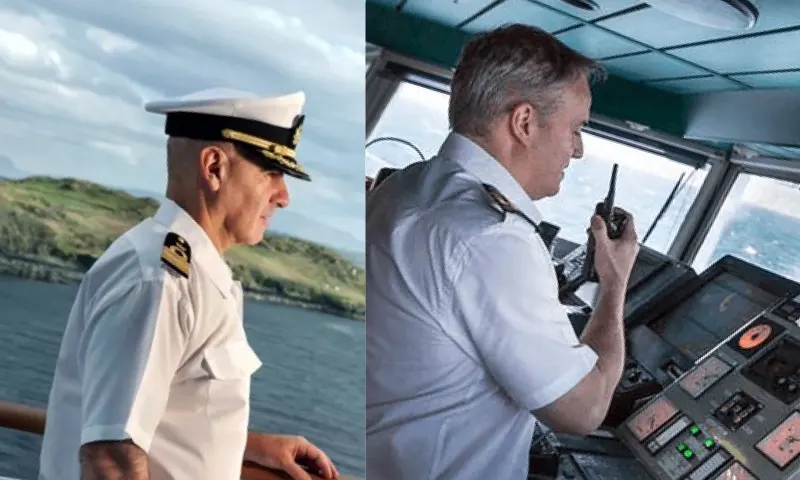
Those who want to become ship captains must first graduate from maritime schools. Maritime education covers subjects such as navigation, ship machinery, maritime law, and safety procedures. The internship and experience period after education allows captain candidates to gain practical knowledge. Additionally, international certifications and licenses are necessary steps in a professional maritime career. Continuous training and keeping up with current maritime technologies support the professional success of ship captains.
Success Factors in Ship Captaincy
A successful ship captain must be able to combine technical knowledge, experience, and leadership abilities. A good captain communicates effectively with the crew and manages ship operations safely and efficiently. The ability to make quick and correct decisions in crisis situations is one of the most important aspects of captaincy. Furthermore, being proficient in maritime law and international transportation regulations ensures the smooth progress of operations. A successful ship captain ensures the safety of both the ship and the crew and cargo.