
What is an Alternator and What is it Used For?
Alternator Structure and Working Principle
The alternator is a device used in modern vehicles equipped with internal combustion engines to meet their electrical needs and charge the battery. You can visit https://morotogrup.com/alternator to learn more about alternators. It converts mechanical energy into electrical energy, allowing the vehicle's headlights, air conditioning, radio, and other electrical systems to operate continuously. Its primary function is to generate electricity while the engine is running and use this electricity to support the battery.
Alternator Failures and Symptoms
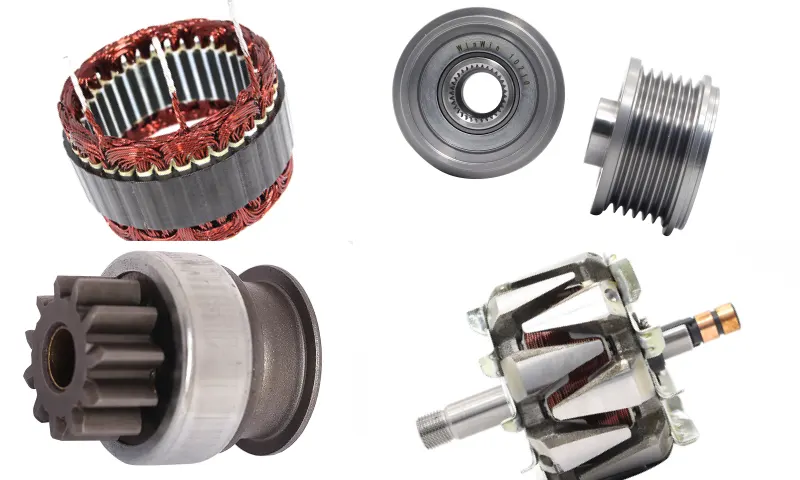
An alternator fundamentally consists of the following parts. The rotor and stator are the main components that enable the alternator to produce electricity. The rotor creates the magnetic field, while the stator cuts this magnetic field to generate electric current. Diodes convert the generated alternating current (AC) into direct current (DC) that the vehicle can use. The regulator maintains the output voltage at a constant level, preventing damage to the vehicle's electrical system. It receives mechanical energy through a belt driven by the engine's movement. This energy activates the magnetic field, creating an electric current. The current is then used to power the vehicle's electrical system and charge the battery. Alternator failure can lead to serious problems with the vehicle's electrical system. Common symptoms of failure include: Reduced brightness or flickering of headlights can be a sign of failure. If the battery warning light symbol illuminates on the dashboard, the alternator may not be charging the battery sufficiently. Problems with electrical systems such as the radio, air conditioning, or power windows not functioning properly can be caused by alternator failure. Regular checks and necessary maintenance are important to prevent such issues. Its proper functioning is vital for both meeting the vehicle's electrical demands and supporting the battery. By performing regular maintenance and paying attention to the symptoms of failure, you can ensure your vehicle operates smoothly.